The fasting journal · matched to fast day 5
Day 5. Officially In Ketosis, And The Baseline Labs Are In
Two things happened today. The strip finally turned and the baseline bloodwork landed. Day 5 is the day this project got its first real lab numbers.

The scale said 216.0
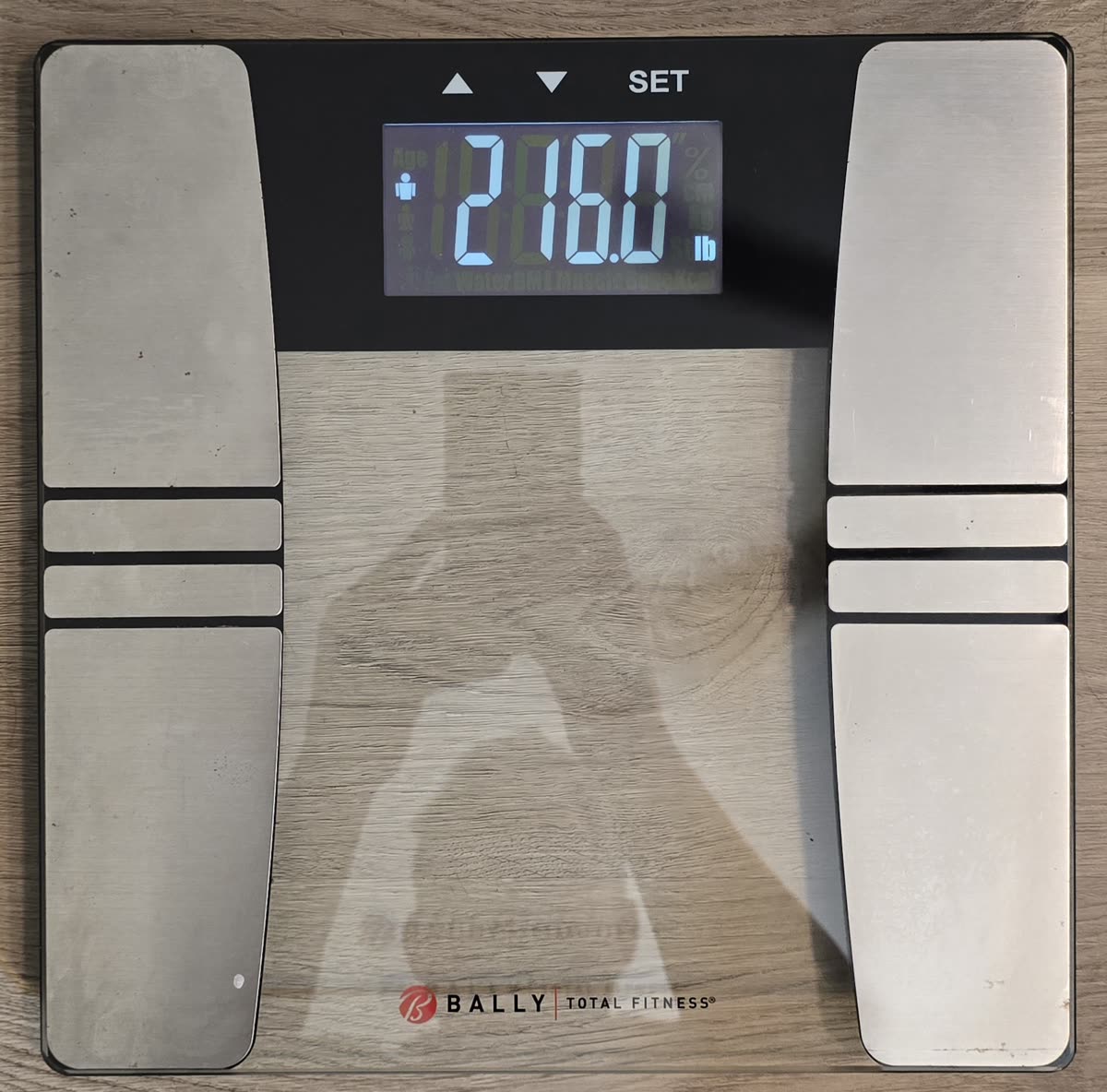
Another 2 pounds down this morning. 216.0 on the scale, which makes it 12.6 pounds in five days from my 228.6 start. The daily drops are getting smaller, exactly like I told you they would. Eight pounds in the first three days then 2.6, now 2. That is the water weight tapering off and the real fat burning taking over.
Body fat read 38.9 percent today, down from 42.3 on day 1. BMI is at 32.7 from 34.6. Every day of the log lives on the bloodwork page.
The strip turned. Officially in ketosis

I test myself with a urine ketone strip every morning and this week the story wrote itself. Day 3, blank. Zero. Day 4, the first faint trace. Today the strip came back with a clear color change against the chart.
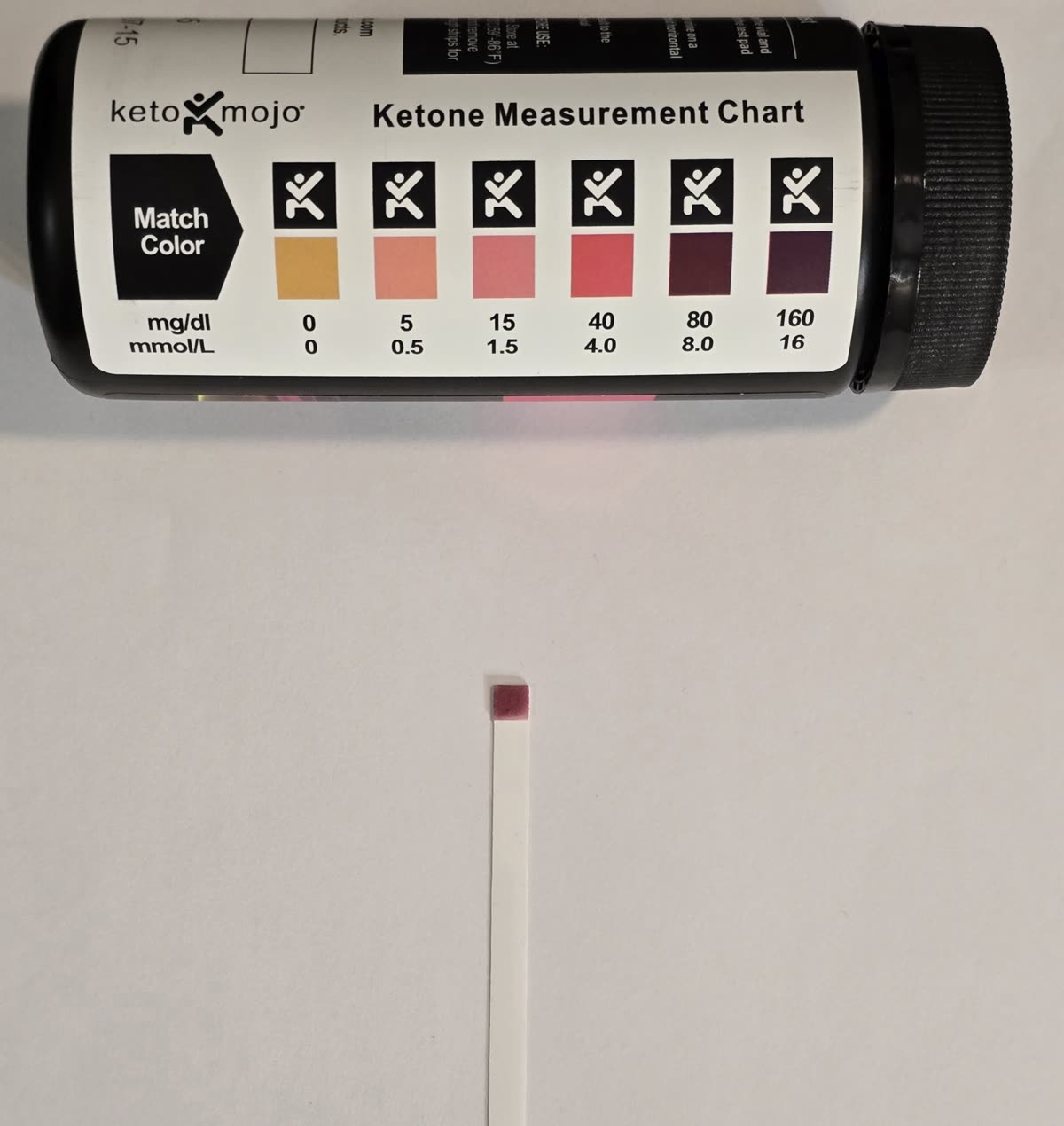
I am officially in ketosis. My body has switched over and it is burning fat for fuel now. That is where I want to be and it explains how I feel. Plenty of energy, sleeping well, no wall. The tough part was day 3, when I was standing between two fuel tanks. That gap is closed.
A couple of DMs asked whether I am exercising to speed this up. No. The fast is enough stress on my body. I am not stacking a workout on top of zero calories. Walking around the yard, filming these videos, that is the program.
The baseline labs are in
The lab work from July 31 came back, drawn the morning before day 1, after an overnight fast, ordered by my doctor. It is a comprehensive metabolic panel, the safety panel. Blood sugar, kidneys, liver, electrolytes, blood proteins. The full table with every value and reference range is now published at the top of the bloodwork page, along with a photo of the actual Labcorp report.
Here is the number that matters. My fasting glucose was 106. The normal range stops at 99. From 100 to 125 is what the American Diabetes Association calls prediabetes and I was sitting in it after a whole night of not eating. That is my before photo, in blood.
Kidneys normal. Liver normal. Electrolytes normal. In other words, cleared for takeoff, with one flashing light on the dashboard and that light is the reason this fast exists. The next draw comes around day 33 and goes up right next to this one. Watch the glucose number.
Day 5 done
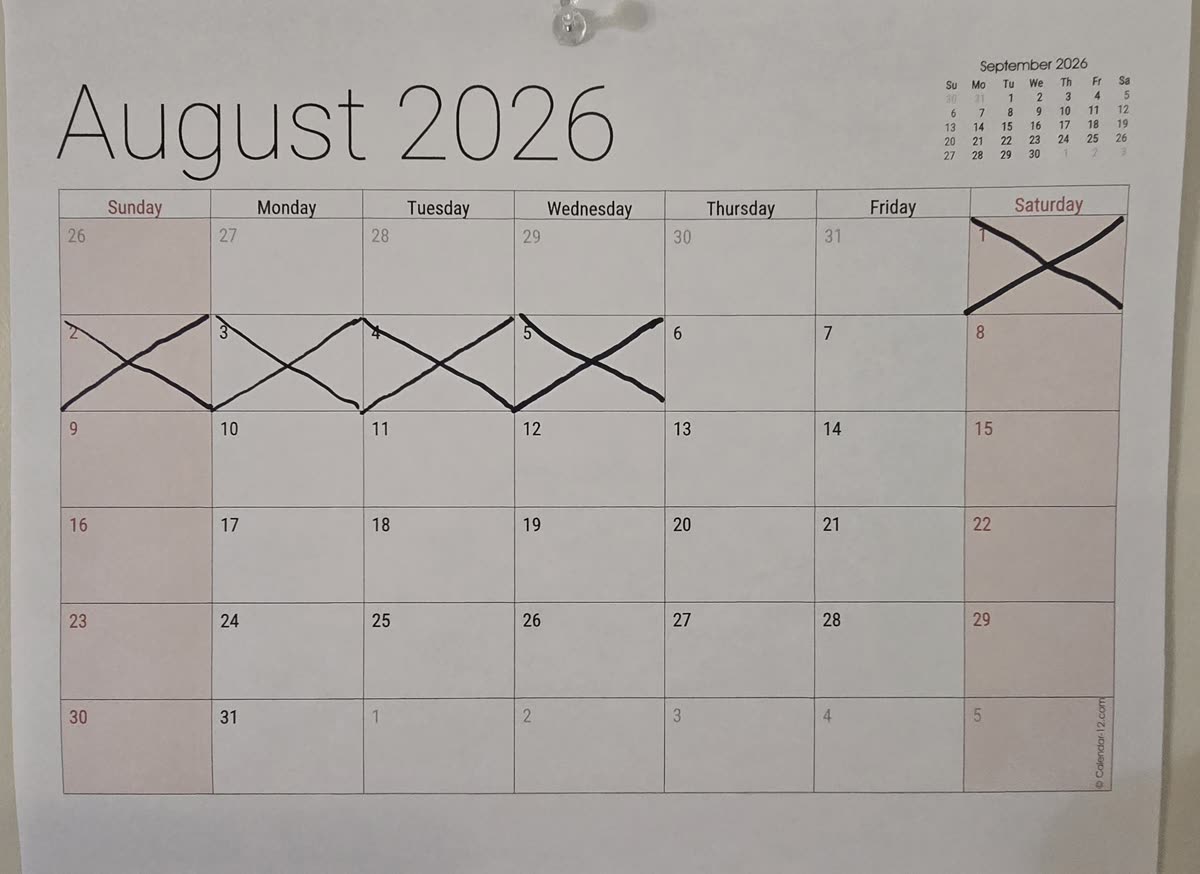
Five X marks. 85 squares to go. The scale is moving, the strips are dark, the labs are public and the machine is running.
Day 5 done. Water up. 🩸
Quick answers
How do you know when you are in ketosis on urine strips?
Urine strips change color as ketones rise. Blank means no measurable ketones, a faint tint means trace amounts and progressively darker colors map to higher levels on the chart printed on the bottle. John's strips went blank on day 3, trace on day 4 and showed a clear color change on day 5.
Is a dark ketone strip dangerous during a fast?
For a person doing a supervised fast, positive strip readings reflect nutritional ketosis, the normal state of burning fat for fuel. It is not the same thing as diabetic ketoacidosis, a medical emergency that mainly threatens people with type 1 diabetes and comes with very high blood sugar. John's baseline labs and monthly draws are how his doctor keeps the difference visible.
What is a normal fasting glucose level?
The standard reference range for fasting glucose is roughly 70 to 99 mg/dL. Readings from 100 to 125 fall in the prediabetes range and 126 or higher on two tests is the diabetes threshold. John's baseline came back at 106, which is exactly the kind of number an extended fast is expected to improve.
Should you exercise during a water fast?
John's answer is no and most supervised fasting protocols agree with him for long fasts. The fast itself is a large stress on the body and stacking hard training on top of zero calories adds risk without much benefit. Light walking is generally fine. His plan is rest, water, electrolytes and daily monitoring.